--col-off-white: #F7FDFC
--col-off-white
--col-headingtxt: #00312F
--col-headingtxt
--col-pri: #00B5AE
--col-pri
--col-sec: #80DAD7
--col-sec
--col-ter: #99E1DF
--col-ter
--col-tint--light: #99E1DF
--col-tint--light
--col-tint--normal: #80DAD7
--col-tint--normal
--col-tint--dark: #66D3CE
--col-tint--dark
--col-tint--darker: #4DCBC6
--col-tint--darker
--col-tint--darkest: #33C4BE
--col-tint--darkest
--col-shade--light: #00918B
--col-shade--light
--col-shade--normal: #007F7A
--col-shade--normal
--col-shade--dark: #006d68
--col-shade--dark
--col-shade--darker: #005b57
--col-shade--darker
--col-shade--darkest: #004846
--col-shade--darkest
Stephen Perse Cambridge
Our Alumni
Explore the stories of some of our most distinguished Guild members.
1881-1899
-
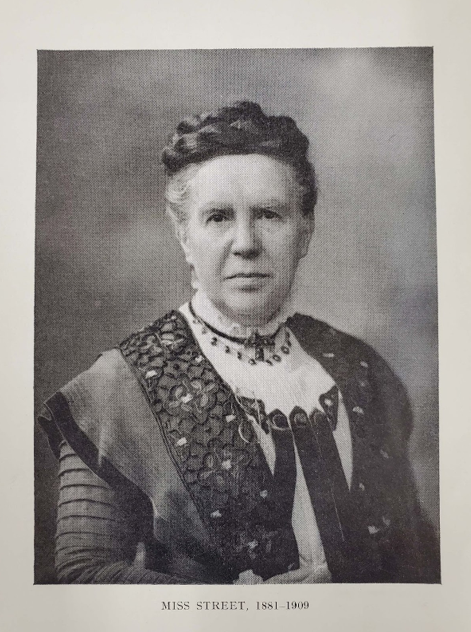
Miss Kate Harding Street
Our first Headmistress
Miss Kate Harding Street taught first at the Clergy Daughters’ School in Casterton, Cumbria (near Kirby Lonsdale) from 1865 to 1869, and then at Grey Coats Hospital in Westminster. In 1881, she was appointed the first Headmistress of the newly founded Perse School for Girls in Cambridge. Miss Street was also one of the nine founders of Cambridge University’s first graduate college for women, then called the Cambridge Training College (now Hughes Hall), and remained on its committees and Board of Trustees after its establishment in 1885.
-
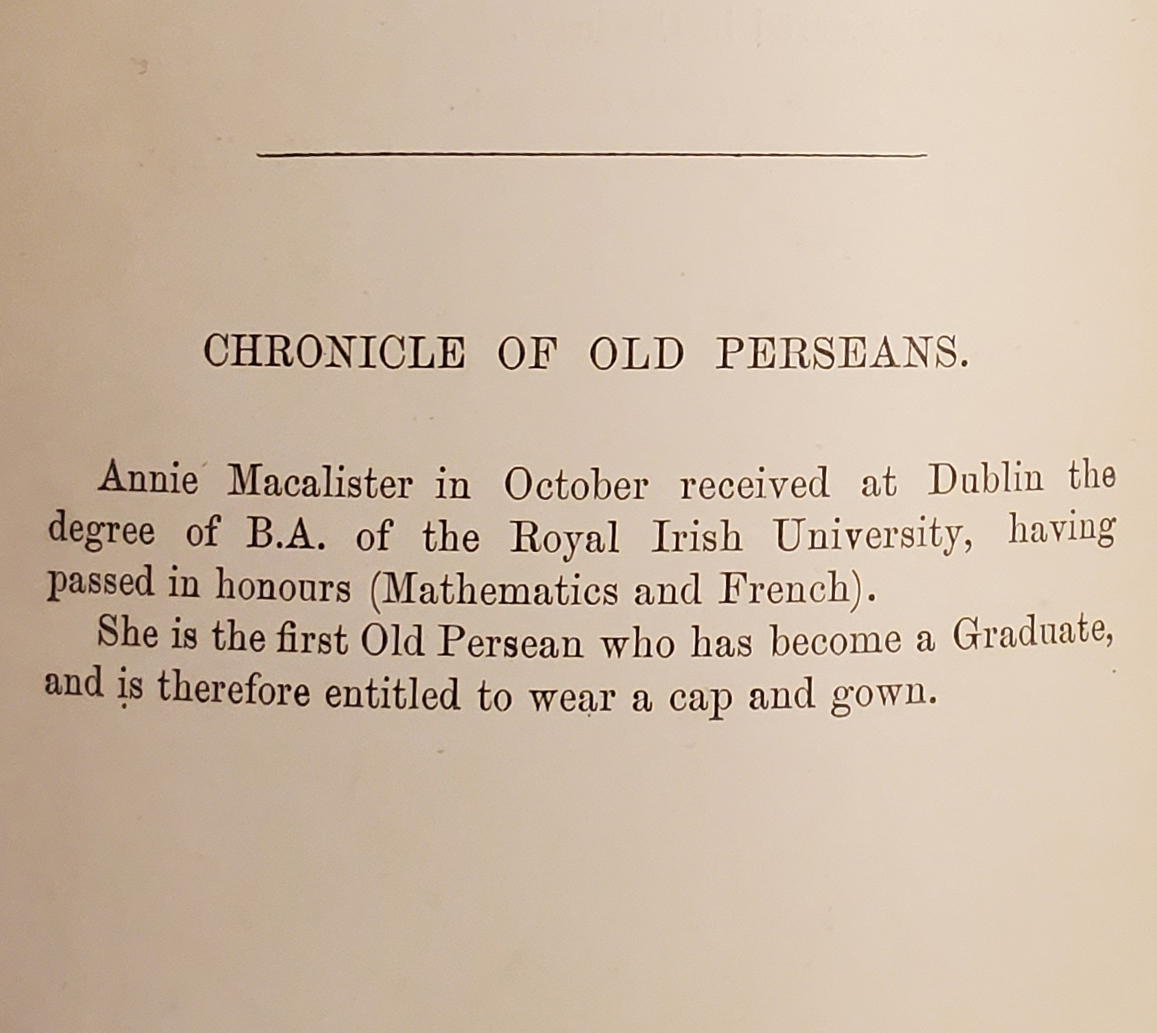
Annie MacAlister
The first Perse Girl degree
The Persean Magazine of November 1898 reports that Annie Macalister is the first Perse Girl to receive a university degree and be entitled to “wear a cap and gown”. Annie’s degree was from the Royal Irish University and she graduated with honours in French and Mathematics, leading the way for thousands of Guild members who followed her path to university from Perse Girls and Stephen Perse schools.
1900-1924
-
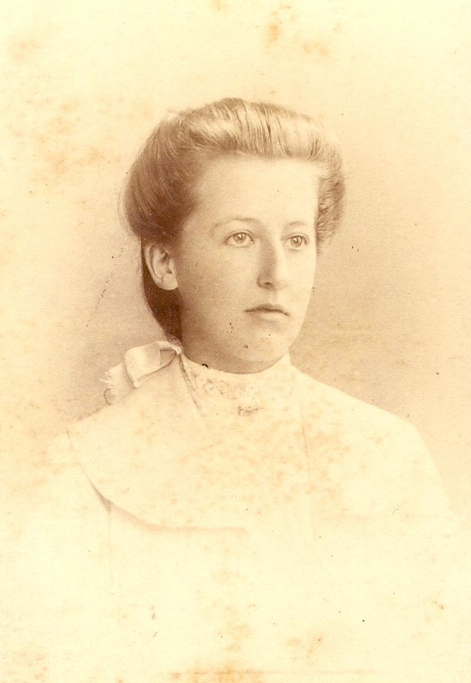
Dorothy Deighton
Codebreaker
Dorothy Deighton was a Women’s Auxiliary Army Corps (W.A.A.C.), Hush WAAC codebreaker. Dorothy’s mother noted on 2nd March 1917: ‘Dorothy went to France Asst Administrator W.A.A.C. Post in Intelligence Dept. of the Army’. She had been posted to St Omer in northern France as one of only seventeen Hush WAACs, women codebreakers in counterintelligence. Recruited for their German language skills, they were educated, middle or upper-class, their ages ranging from early 20s to mid 50s. Within the W.A.A.C., they were graded as Assistant Administrators, the equivalent of male junior officers. Because of the requirement never to discuss their work beyond the office, the small group became known as the Hush WAACS.
-
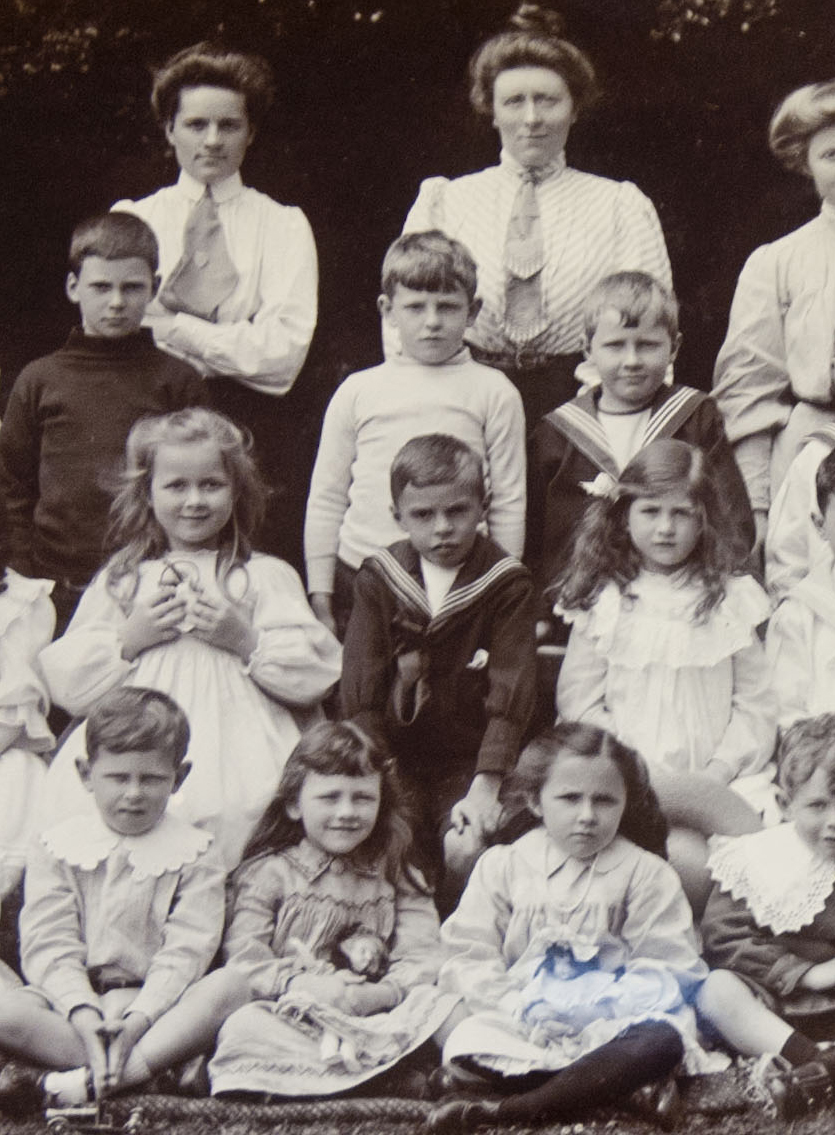
John Maynard Keynes
The father of macroeconomics
After attending Kindergarten with us, John Maynard Keynes became an English economist and philosopher whose ideas completely changed the theory and practice of macroeconomics and the economic policies of governments. He developed and refined earlier work on the causes of business cycles and was one of the most influential economists of the 20th century. Keynes’ work is the basis for the school of thought known as Keynesian economics and its derivatives, including New Keynesianism, which is fundamental to mainstream macroeconomics. He is known as the "father of macroeconomics".
-
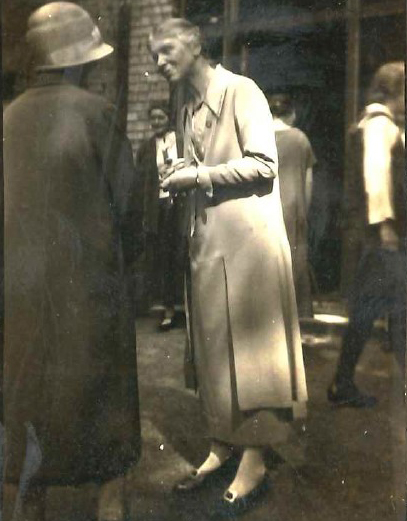
Miss Bertha Lucy Kennett
Our former Headmistress
Miss Bertha Lucy Kennett was Headmistress from 1909-1926 and subsequent Headmistress, Miss Scott writes of her that she was “by scholarship, teaching and administrative ability, and by personality, pre-eminently well qualified to lead the school at this point in its history. She was a mathematician at Girton, the equivalent of a Senior Optime in the Mathematical Tripos in 1892 (Cambridge degrees, even titular, not being awarded to women until nearly half a century later), and had taught for one year at Liverpool College for Girls and then for nearly five years at Nottingham Girls High School before being appointed headmistress of Ipswich High School in April 1899. Her most urgent task now was to raise the general level of work in the school to the more exacting standards than had previously been aimed at by any except the outstanding pupils, and in this she was remarkably successful in a remarkably short time…..She was a brilliant teacher, an indefatigable worker….Miss Kennett’s universal courtesy and her generosity in giving credit and even precedence to others, notice from the outset, were disarming, and her own personality and her influence came to be more and more clearly felt.”
-
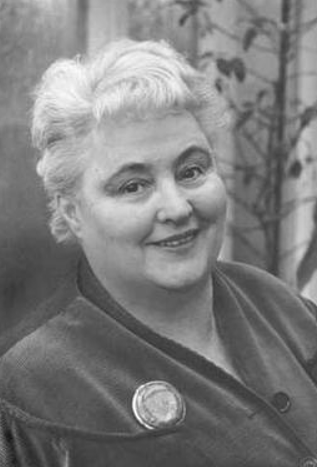
Margery Louise Allingham
Novelist
Margery Louise Allingham was an English novelist from the "Golden Age of Detective Fiction", and considered one of its four "Queens of Crime", alongside Agatha Christie, Dorothy L. Sayers and Ngaio Marsh. Allingham is best remembered for her hero, the gentleman sleuth Albert Campion and attended the Perse School for Girls towards the end of her schooling, becoming an alumna in July 1920. Some of her earliest known works were published in The Persean between 1919 and 1924.
1925-1949
-
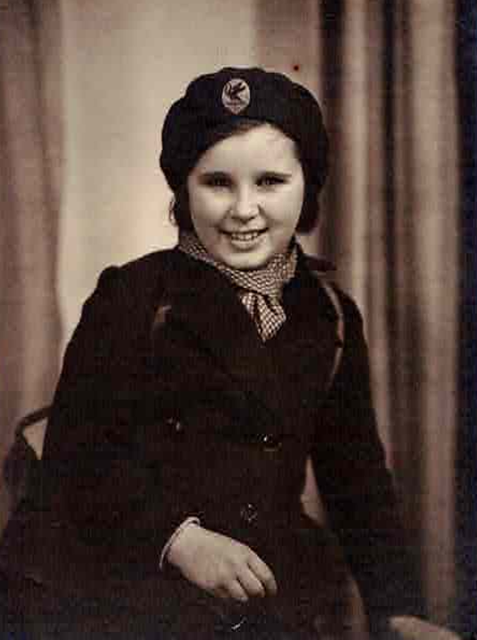
Mary Challis
Founder of the Challis Trust
Mary Challis was founder of the Challis Trust and settlor of the Mary Challis House and Garden and the Challis Museum in Sawston, Mary joined the Perse School for Girls in the 1930s and can be seen here in her school uniform in the mid-late 1930s, going on to be Head Girls in 1944. After completing her schooling, Mary took a BSc in Horticulture at Studley College for Women in Warwickshire, before returning to Sawston where she lived and worked until her death in 2006, leaving her house and garden in trust for the benefit of the inhabitants of Sawston village and the neighbourhood.
-
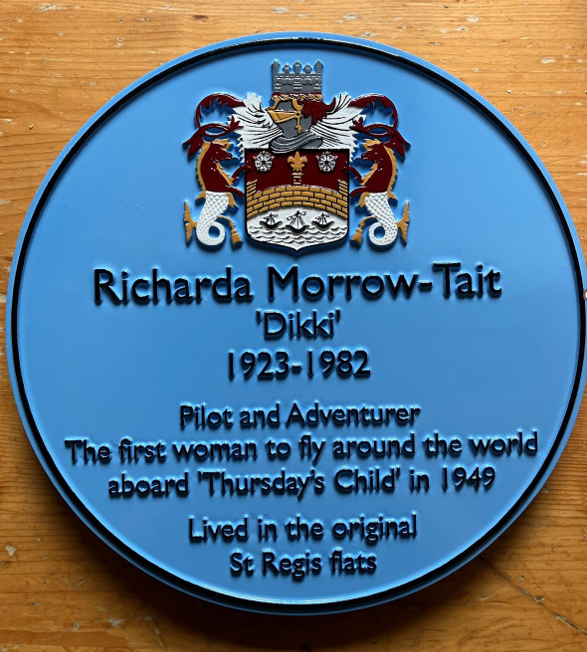
Richarda Morrow-Tait
Pioneering pilot
Richarda Morrow-Tait ‘Dikki’ was inspired to fly while at school during the 1930s, and with only 85 hours flying experience, she started her round the world flight lasting a year and a day, completed on 19 August 1949. She used two aeroplanes,‘Thursday’s Child’ and ‘Next Thursday’s Child’, and following her return, Richarda wrote the story of her flight but she did not go on to publish it in her lifetime. After Richarda’s death the manuscript of her story was re-discovered by her second husband, who went on to publish ‘Thursday’s Child: The Story of the First Flight Round the World by a Woman Pilot’, which he jointly edited with Norman H. Ellison. Today, Richarda still holds the record for being the youngest woman with a navigator to fly around the world, and until 2022 retained the overall record for the youngest woman to fly around the world.
-
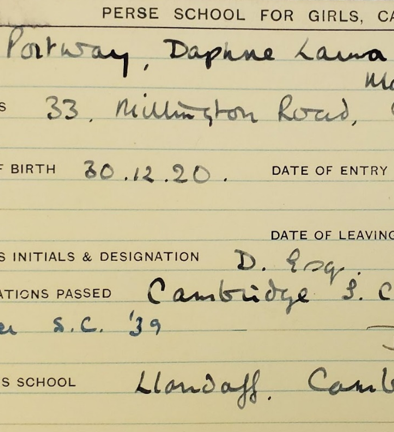
Daphne Portway
WWII military surveyor
Daphne Portway was one of only two women who held prominent roles during WWII surveying for the military. When World War Two broke out, Daphne Portway had yet to complete her education as a sixth form pupil at the Perse School For Girls. By D-Day, she had attained the rank of junior commander, working with Shirley Carpenter to ensure that the most up-to-date maps for the Normandy landing were available.
1950-1974
-
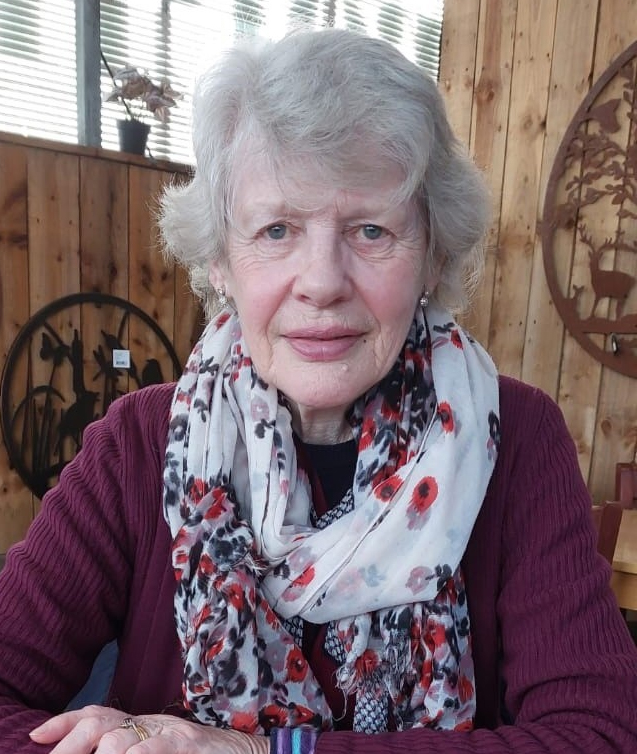
Marion Turnock
Philanthropist
Marion Turnock, née Bean, enjoyed a teaching career in Cambridgeshire, Aberdeen and Leicester, taking a B Phil Ed from the University of Leicester in 1994 and being certified as a Royal Scottish Country Dance Society teacher in 2001. In her school teaching career, Marion was a member of the School Management Team with responsibility for the Middle School and a large number of subjects. In 1995, Marion set up a charity - Patarlagele Villages Romania - to support Patarlagele Hospital by providing medicine and for many other local needs, including funds for schoolchildren in the area to continue their education after the age of fourteen and clothing and other items for less well-off families.
-
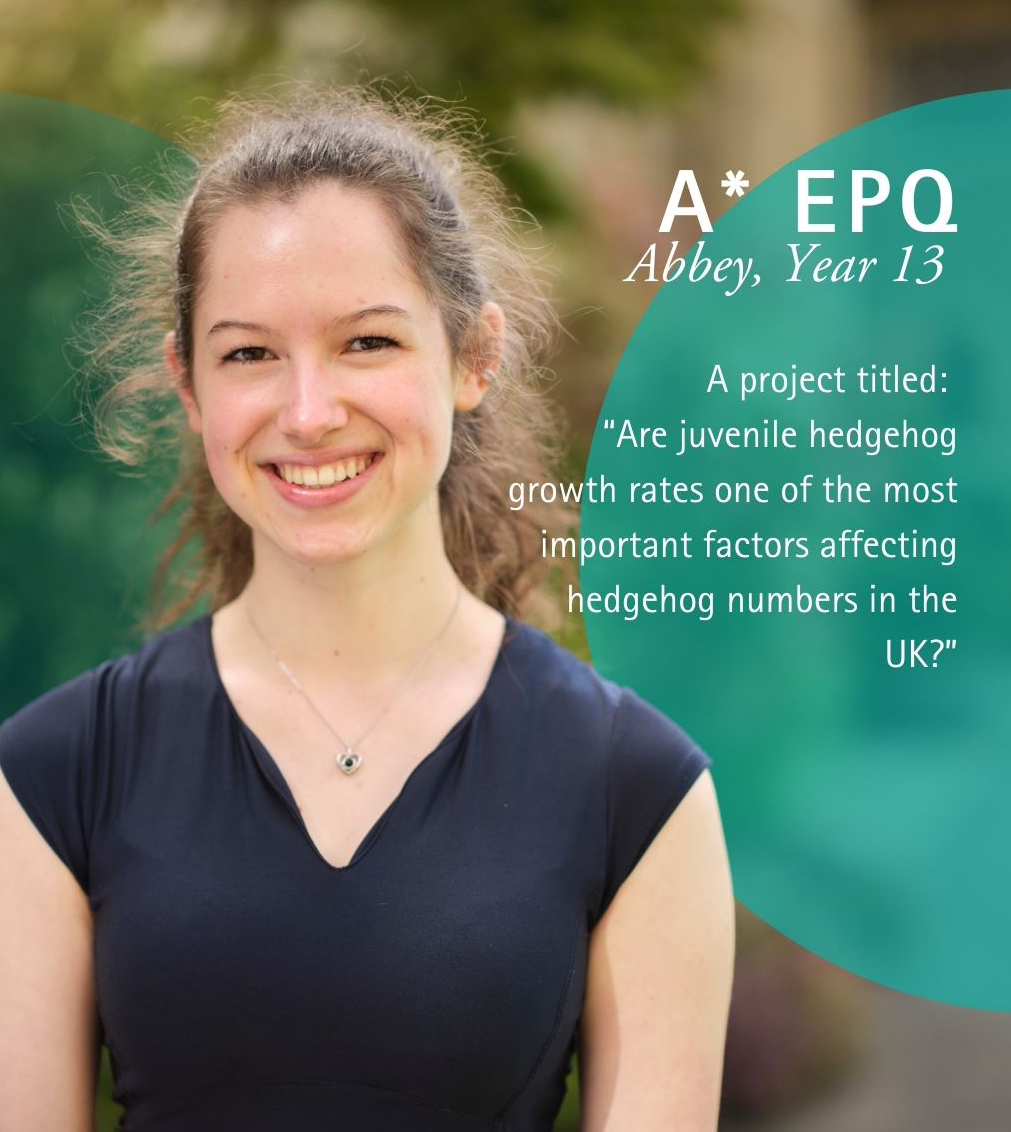
Christine Andrews
Teaching and assessment specialist
Christine Andrews, née Bugg, enjoyed a long career in teaching and assessment. Having taught Maths and Further Maths for many years, Christine was Chair of all maths-based A levels within AQA for a considerable period, but says “my passion is for the EPQ” [Extended Project Qualification]. She is also Chief Moderator for AQA, in post since 2009, a textbook author and teacher trainer. On her time at Perse Girls, Christine comments: “Perse Girls was a strong influence on my life. [We] had two terms to simply exercise our academic muscles without fear of assessment. During these two terms we were all encouraged to produce a project…to undertake independent research…..so where did that take me? Eventually, in 2009 to the EPQ and I firmly believe this is the best addition to the UK assessment programme at Level 3 during my lifetime. Perse Girls can take credit here for my passion!” Pictured: Many of our Sixth Formers, like those across the country, benefit from completing the EPQ.
-
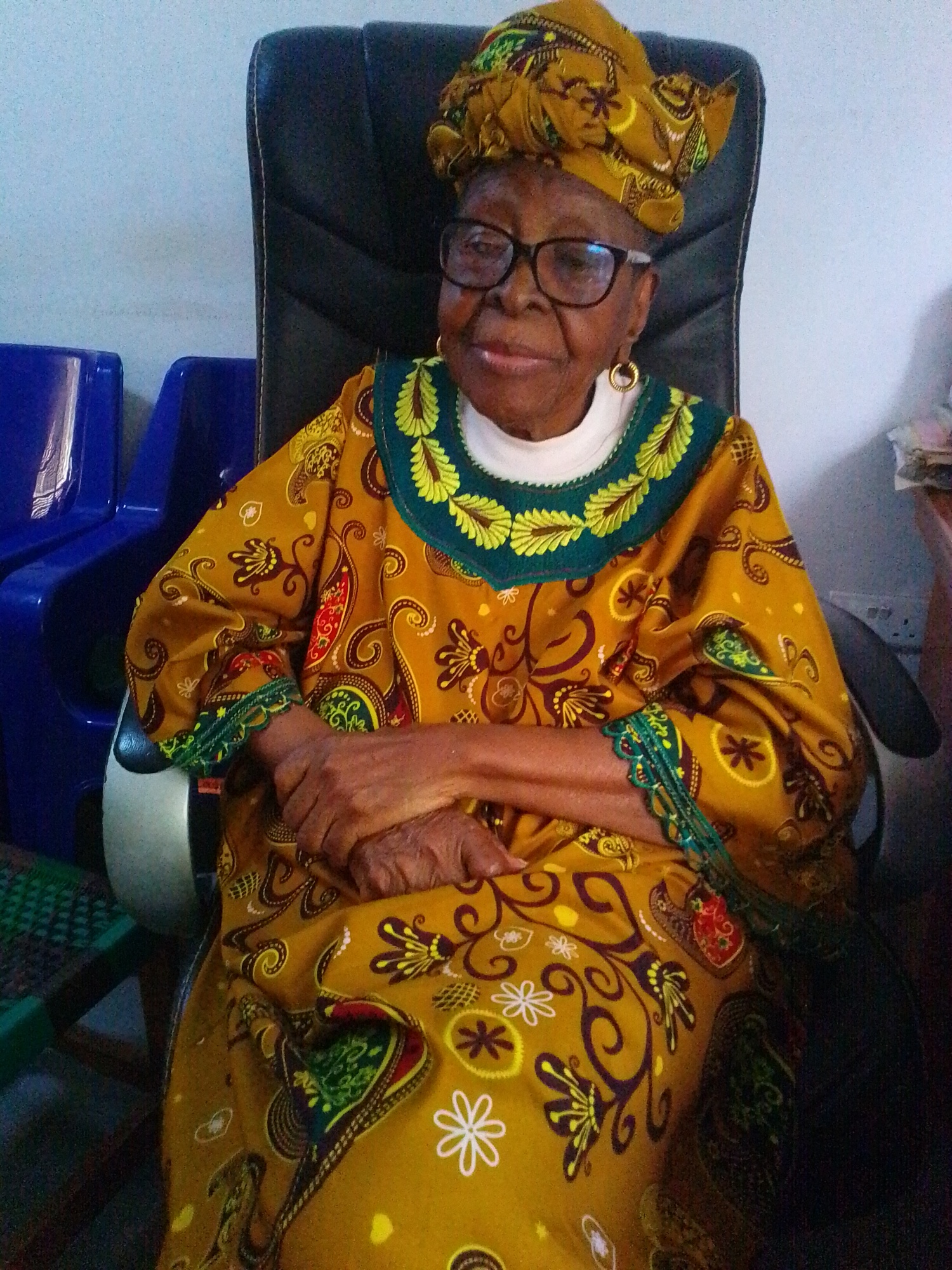
Bolanle Awe
Pioneer of feminist history and decolonisation
Professor Awe was born in Ilesa, Nigeria. She came to Perse Girls in 1952, taking A Levels in 1954 and going on to the University of St Andrews for her undergraduate degree in History, then reading for her DPhil at Somerville College, Oxford. On returning to Nigeria in 1960, Bolanle became the first woman formally appointed to academic office in a Nigerian university. Following time at the University of Lagos, she returned to Ibadan, where in 1976 she was promoted to be Professor of Oral History. Awe’s work is ground-breaking. Her oral history work made her a pioneer in documenting the pre-colonial histories of Nigeria and the Yoruba people, and an early advocate for the decolonisation of African history. She co-founded the Women's Research and Documentation Centre (WORDOC) to promote the coordination of women's studies research and new methodologies to study Nigerian women. Bolanle is known as a “matriarch of feminist history” because her use of oral history has helped to restore the narratives of overlooked or misrepresented women. In 1983, Bolanle became an Officer of the Order of the Federal Republic of Nigeria. She retired from teaching and government roles in 1998. In 2005, she became the Pro-Chancellor of the University of Nigeria in Nsukka, and in 2018 received an honorary doctorate from the University of Ibadan on its seventieth anniversary.
-
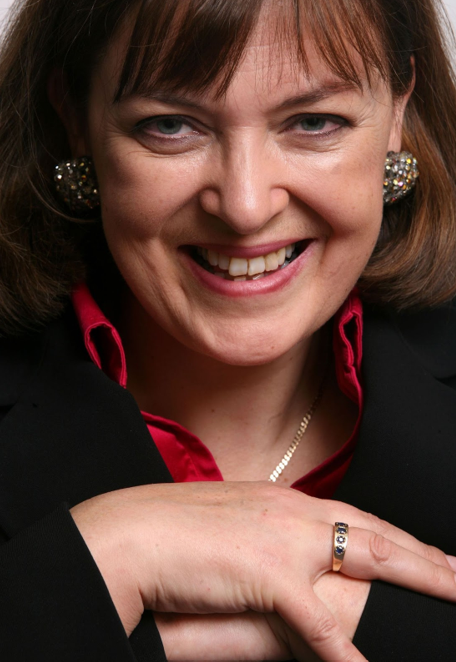
Bridget Kendall
BBC journalist
Bridget Kendall is an English journalist who was the BBC's Diplomatic correspondent working for the corporation's radio and television networks. From 2016 to 2023, she was Master of Peterhouse, Cambridge: the first woman to head the college.
-
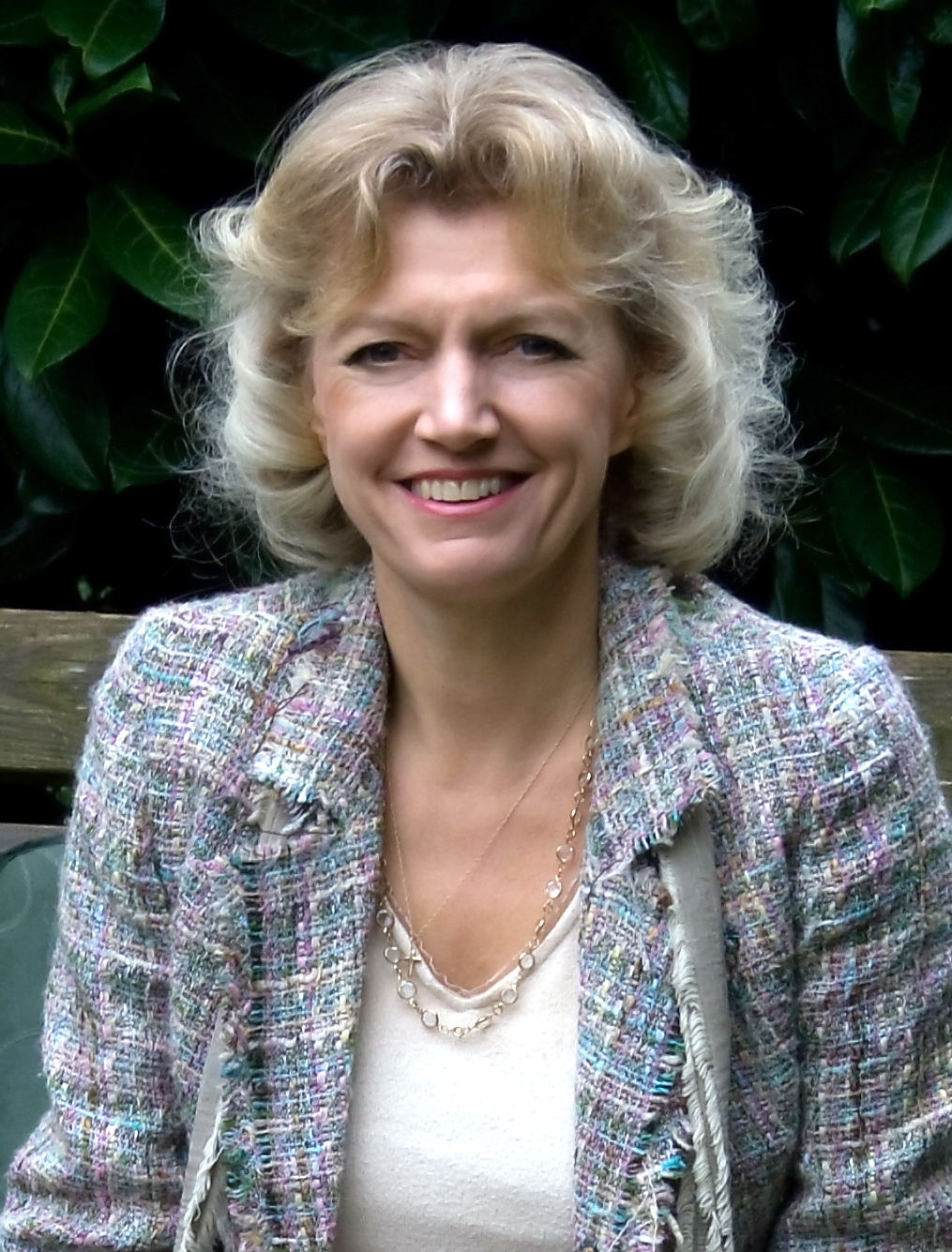
Anne Atkins
Novelist and poet
"My two years and a term at the Perse were perhaps the happiest of my life: I’d had such a miserable time at my previous school that I refused to go back. I loved my A level subjects, our teachers were wonderful (Margaret Chamberlain, exceptional) and we even had a superb drama teacher. I had several close friends there already and being in the city centre, made full use of the university: singing in Trinity Hall Chapel Choir, attending free lunchtime concerts, sneaking into occasional lectures or seminars and in my last Perse term playing the girl in the Footlights panto opposite Clive Anderson’s Buttons. Almost all my novels take place in or around Cambridge. My last, An Elegant Solution, is a literary thriller set in the University, and twenty-year-later sequel to Cambridge-based On Our Own, loosely a sequel to my first (in London and Norfolk), The Lost Child. My third, A Fine and Private Place, moves out into the Cambridgeshire countryside. I hope to bring out the next, Never Too Late, next year followed by the last (in this particular trilogy), The Fox. I regularly contribute to Thought for the Day on Radio 4's Today Programme and as a freelance writer to the national press, as well writing award-winning poetry (most recently published in The London Magazine), song lyrics and my first play." Photo credit: Serena Atkins
1975-1999
-
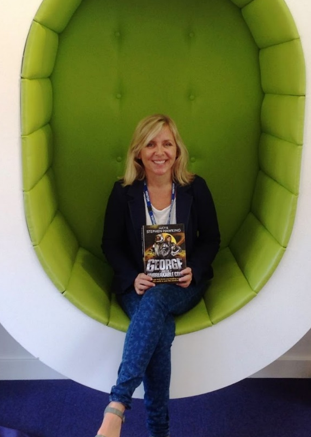
Lucy Hawking
Journalist and author
Lucy Hawking is a journalist and author, who aims to teach about science through entertainment, children’s literature and adventure films. She is particularly well-known for her series about George, who works out how to slip through a computer-generated portal and travel around the solar system, beginning in George’s Secret Key to the Universe, which is available in 38 languages and published in 43 countries. She has collaborated with a range of academics and astronauts, including Tim Peake and was nominated for a Sir Arthur Clarke Award for Excellence in Space Education by the British Interplanetary Society.
-
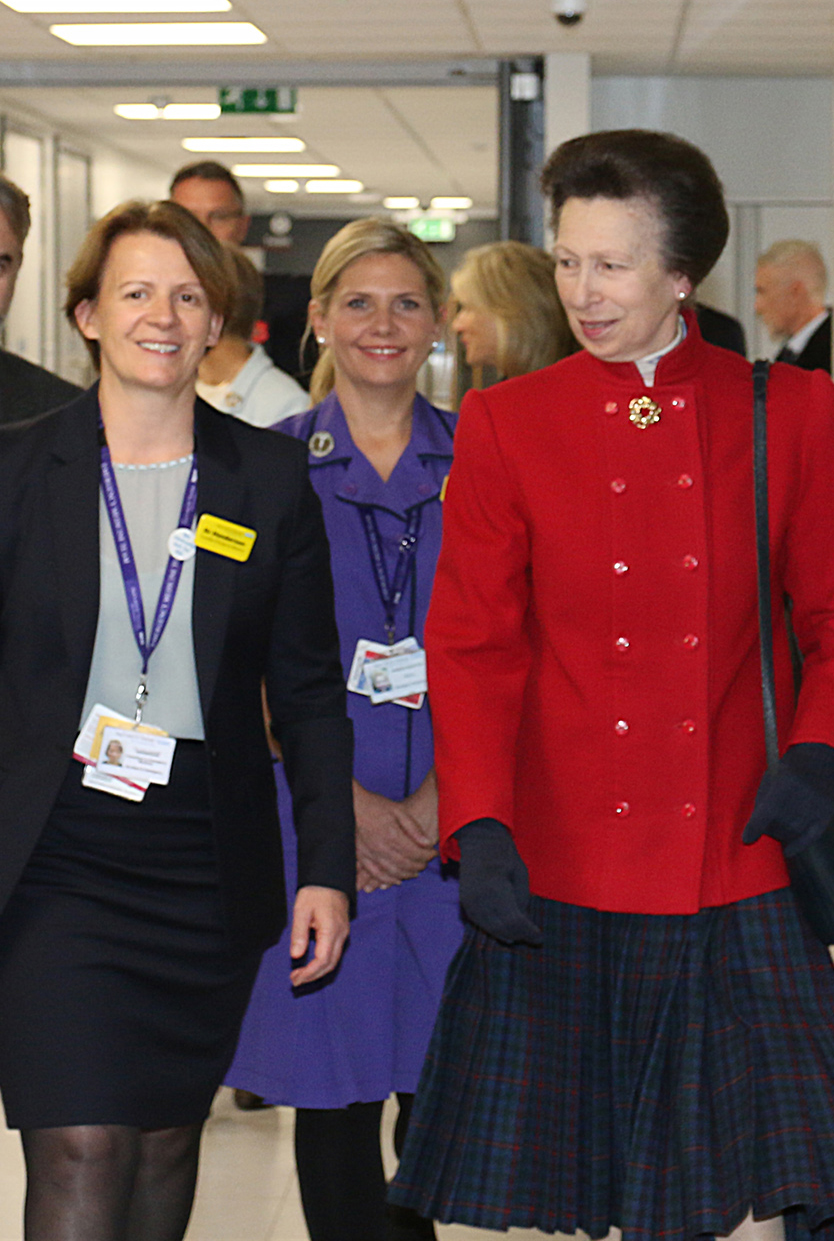
Dr Katherine Henderson MBE
Pioneering consultant
Dr Katherine Henderson MBE is a consultant in Emergency Medicine at Guy's and St Thomas' NHS Foundation Trust who was the first female President of the Royal College of Emergency Medicine. She was appointed a Member of the Order of the British Empire for services to the National Health Service in the 2021 Birthday Honours. In addition to being a practicing Emergency Medicine clinician Katherine was appointed the Clinical Director for Urgent and Emergency Care at Guys & St Thomas' in 2022 and a Trustee of Kent Surrey and Sussex Air Ambulance in 2025. Katherine was at the Perse School for Girls from 1974-1982. She was Head Girl in her final year before going on to study Medicine and Social and Political Sciences at the University of Cambridge and completing her medical degree at the London Hospital (now The Royal London).
-
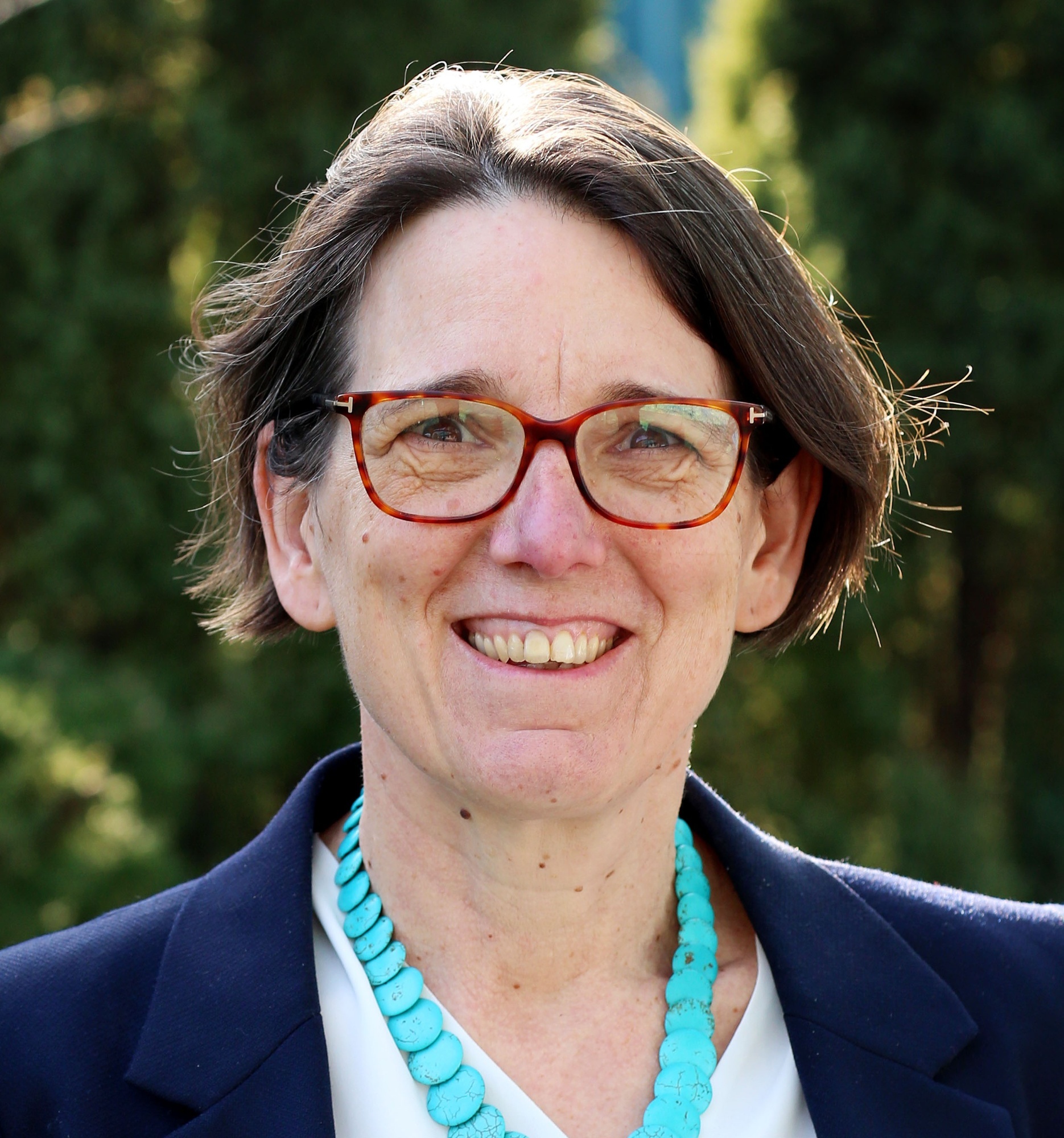
Anne Keast-Butler
Director of GCHQ
Anne Keast-Butler, former Head Girl of the Perse School for Girls, is the Director of GCHQ with a career in national security including as Deputy Director General Mi5. She is Honorary Colonel of the Joint Service Signal Regiment, an Honorary Fellow of Merton College, Oxford (where she read maths after her time at the Perse School for Girls), and a champion for women in STEM.
-
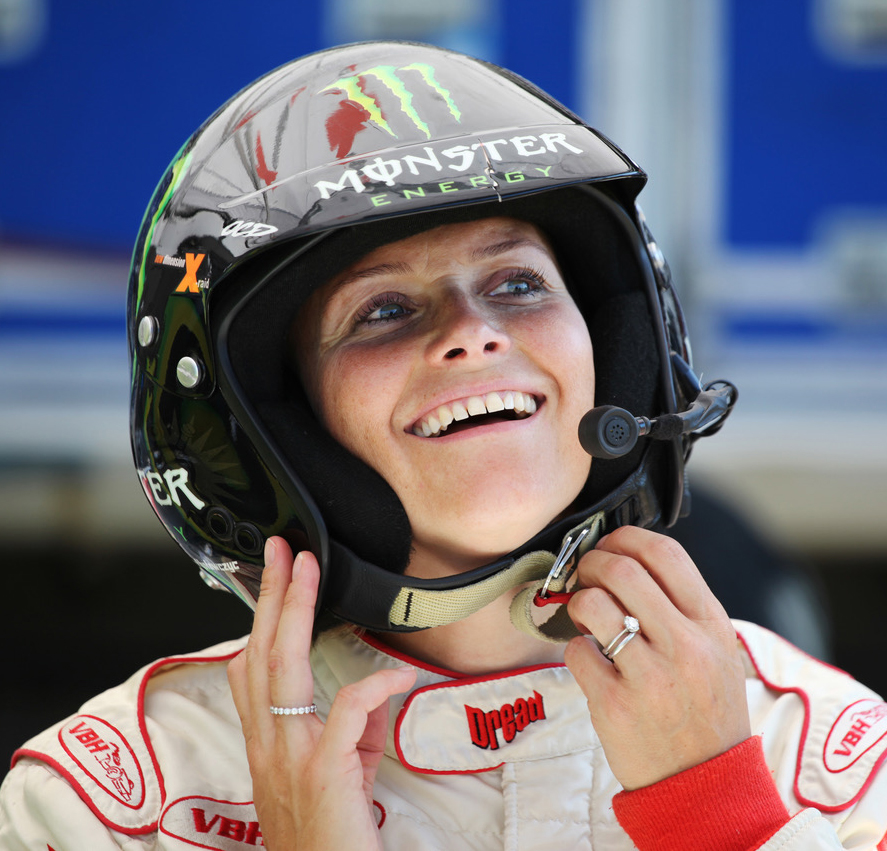
Vicki Butler-Henderson
Racing driver and television presenter
Vicki Butler-Henderson is a British Racing Driver and television presenter. She says her years at the school nurtured her love of writing, which became the bedrock of her career as a motoring journalist. She was Road Tester and News Editor on many magazines including Auto Express and What Car?, and became a presenter for BBC Top Gear and the Discovery Channel’s Fifth Gear. Driving wasn’t on the curriculum when Vicki was at school (sadly!), but she will forever express deep gratitude to her teachers who pinned up a Daily Mail story of her, in the Staff Room, which told of Vicki’s progress from racing karts to racing cars when she was in the Sixth Form. Nothing is impossible!
-
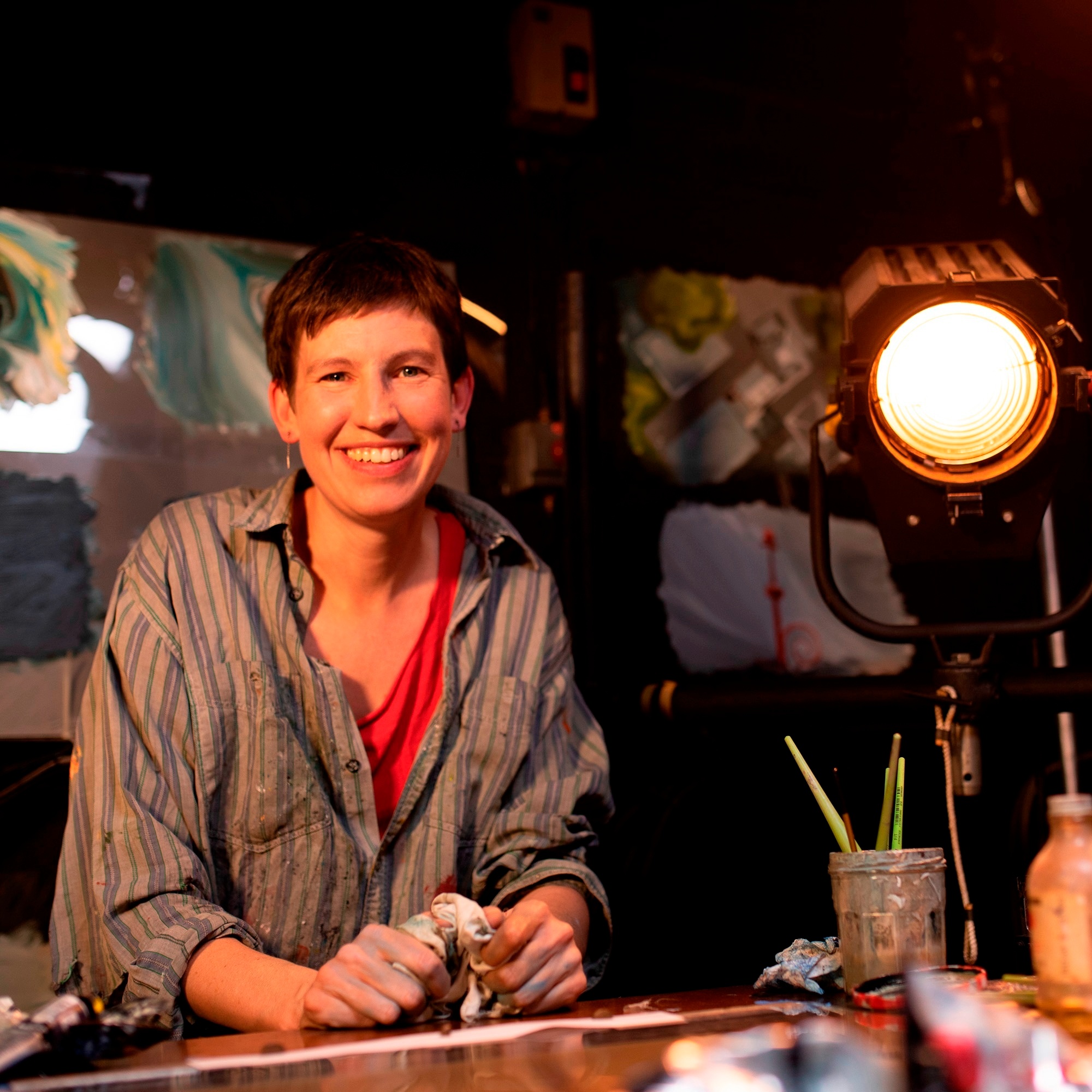
Em Cooper
Grammy award-winning filmmaker
Em Cooper is an award-winning British filmmaker and animator celebrated for her distinctive "stream-of-consciousness" style, which she achieves by hand-painting individual film frames with oil paints. She reached a career milestone at the 66th Annual Grammy Awards in 2024, winning Best Music Video for her work on The Beatles' "I’m Only Sleeping," a project that required the creation of over 1,300 original oil paintings to capture the fluid transition between dreaming and wakefulness. A graduate of the Royal College of Art, Cooper has built a prestigious portfolio that includes an Emmy nomination for the documentary Deej, high-fashion collaborations with brands like Burberry and Prada, and recent animation sequences for the film Paddington in Peru.
2000-2024
-
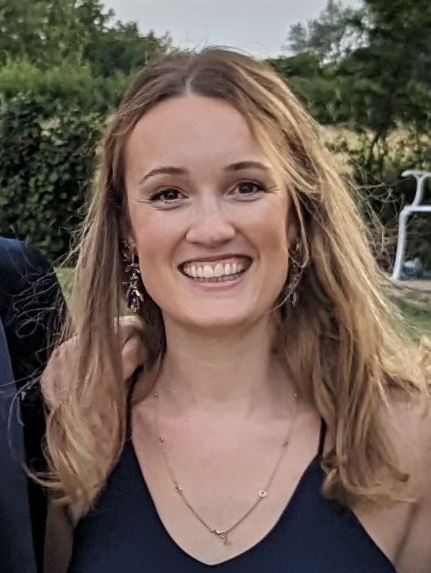
Beth Collett
Barrister
Beth Collett, is a barrister specialising in Intellectual Property Law and related areas of contract law, breach of confidence and commercial matters, who has been called to the bar in England and Wales and to the bar in Ireland. Beth comments: “I loved my time at Perse Girls, and credit it with giving me the confidence to be curious, and the belief that the harder you work, the luckier you get. I also credit Perse Girls with my strong independence and feminist principles, which have allowed me to fearlessly champion feminist causes, in my personal life and my career at the bar."
-
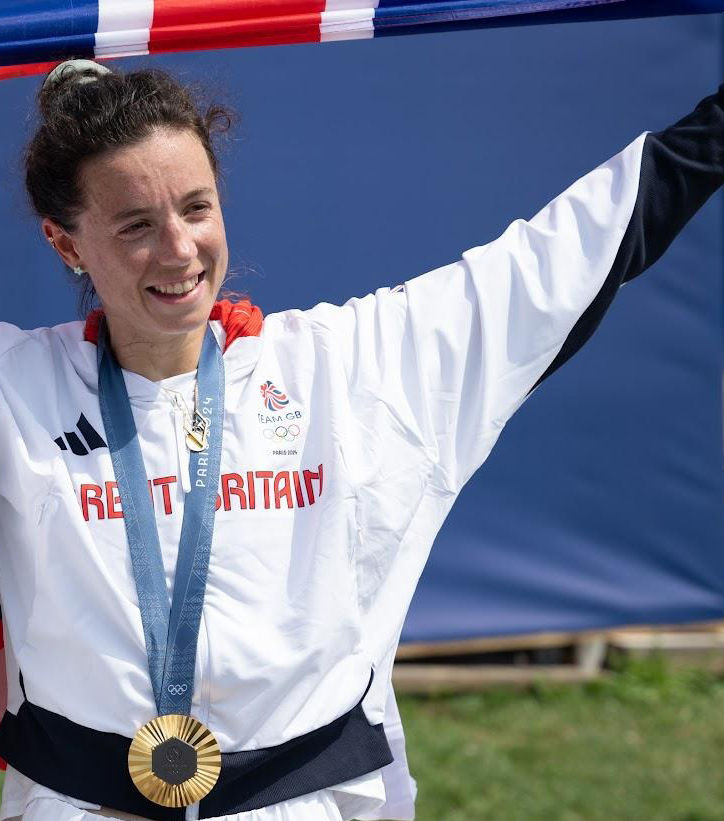
Dr Imogen Grant MBE
Doctor and Olympic gold medalist
Dr Imogen Grant MBE is a British Lightweight World and Olympic Champion rower, medical doctor, and MBE. She learnt to row in her first year of medicine at the University of Cambridge, and went on to win three Boat Races for Cambridge in 2017, 2018, and 2022. After forming her partnership with Emily Craig in the lightweight women's double scull, she won multiple World and European Championships, setting two World Best Times. At the 2024 Paris Olympics they claimed gold, becoming the final Olympic champions in that boat class. She is an ambassador for the Rivers Trust and now works as a doctor in the NHS while balancing training for the Los Angeles Olympics in 2028.
-
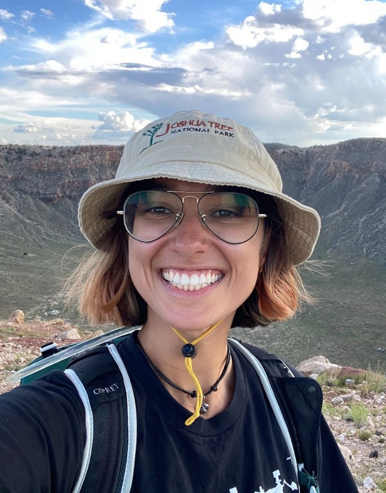
Elisha Jhoti
NASA scientist
Elisha Jhoti is a PhD student studying Planetary Science at UCLA working on NASA missions, including the Perseverance rover and the Lunar Reconnaissance Orbiter. Elisha participates in fieldwork in remote environments from impact craters to desert dunes to help plan for astronauts who will travel to the surface of the Moon. Her research uses temperature data from the Moon's surface to predict where astronauts might find water ice. She has contributed to multiple NASA fieldwork campaigns studying everything from simulated lighting for the Moon's South Pole to ground penetrating radar in volcanic environments. Elisha is the Chair of the Next Generation of Lunar Scientists & Engineers early career group, organising networking events and talks for the lunar community.