--col-off-white: #F7FDFC
--col-off-white
--col-headingtxt: #00312F
--col-headingtxt
--col-pri: #00B5AE
--col-pri
--col-sec: #80DAD7
--col-sec
--col-ter: #99E1DF
--col-ter
--col-tint--light: #99E1DF
--col-tint--light
--col-tint--normal: #80DAD7
--col-tint--normal
--col-tint--dark: #66D3CE
--col-tint--dark
--col-tint--darker: #4DCBC6
--col-tint--darker
--col-tint--darkest: #33C4BE
--col-tint--darkest
--col-shade--light: #00918B
--col-shade--light
--col-shade--normal: #007F7A
--col-shade--normal
--col-shade--dark: #006d68
--col-shade--dark
--col-shade--darker: #005b57
--col-shade--darker
--col-shade--darkest: #004846
--col-shade--darkest
Stephen Perse Cambridge
Sustainability
Educating for a sustainable future
Transforming intent into action
We recognise that schools have a unique responsibility: to reduce our own environmental footprint and to inspire and equip the next generation of global citizens with the knowledge and skills to thrive in sustainable societies.
At Stephen Perse Cambridge, sustainability is not an afterthought - it is woven into the fabric of our daily life and long-term planning. Sustainability remains a top priority at the executive level to leverage and drive change across our schools.
We ensure our environmental goals are not just aspirations, but are actionable, measured, achieved, and kept at the forefront of decision makers. From carbon dioxide emissions reductions to curriculum integration, we are fully committed to the implementation of our sustainability strategy across all areas of school life.
Our Strategy
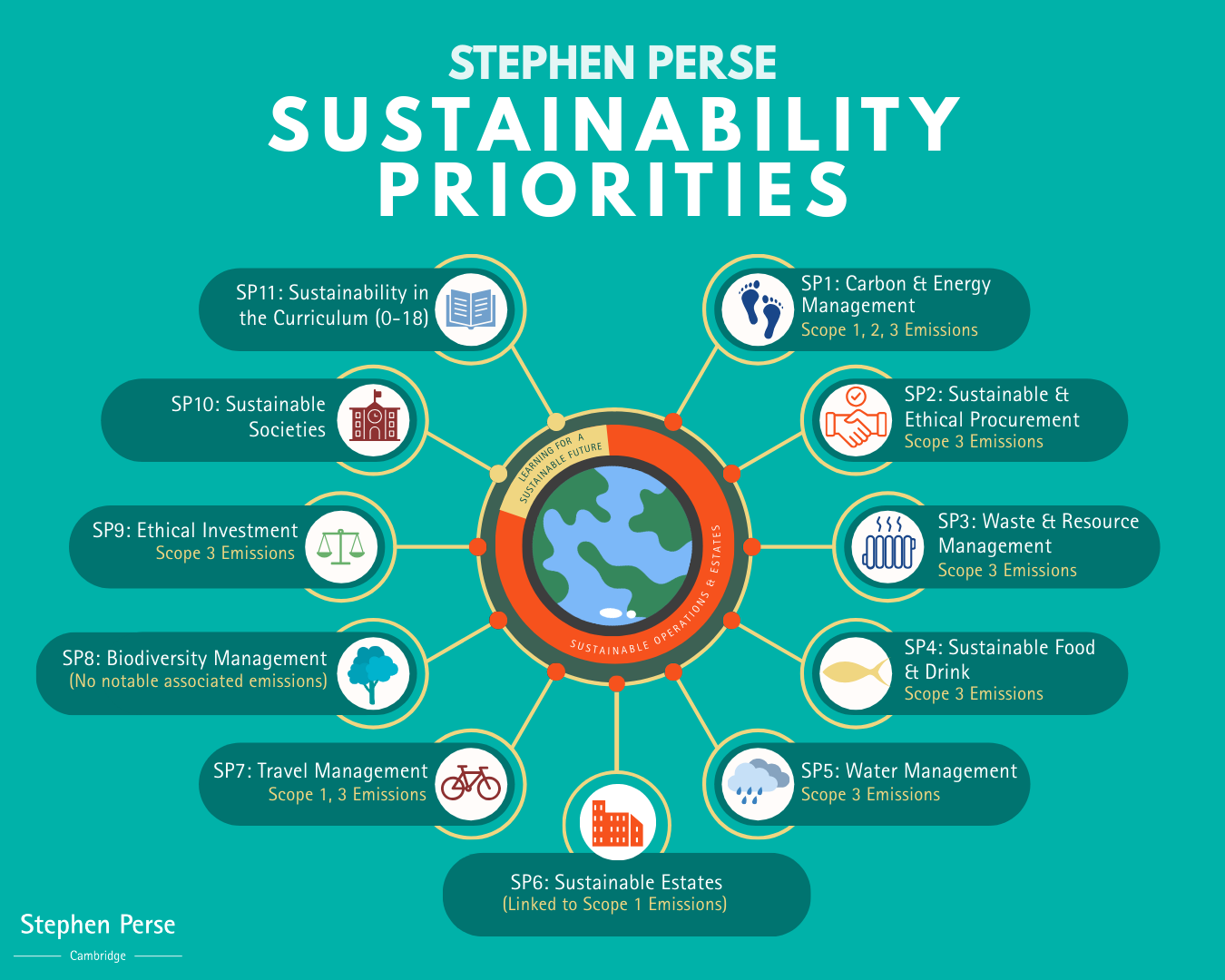
Our roadmap to a more sustainable future is defined by 11 Key Priorities. These priorities guide our decision-making and investment, providing clarity and ability to demonstrate impact to all stakeholders. Each priority is linked to one of the two areas of strategic focus (Operational and Educational), and the scope of emissions each aims to reduce:
Our approach
1. Operational
Electricity
All electricity we procure is from renewable sources, from natural energy such as solar, wind and hydro.
Gas
All gas we procure uses a mix of 10% biogas and 90% natural gas (carbon offset) (backed by Renewable Gas Guarantees of Origin).
Carbon Offsetting
For areas where it is not possible to provide heating by gas or electricity, we mitigate this impact by offsetting the associated carbon emissions through a carbon-offset programme.
Solar Panels
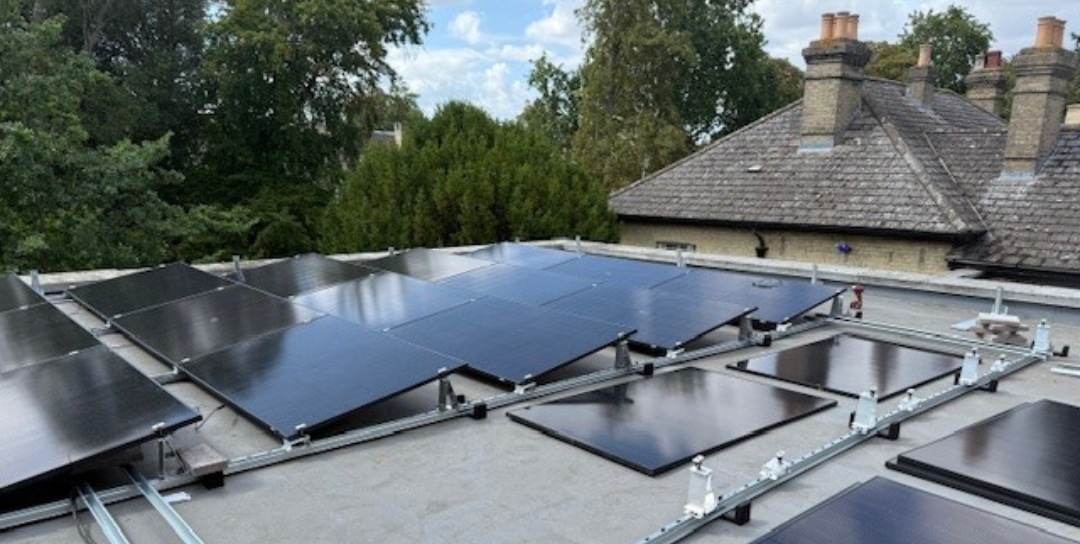
We are starting to install solar panels on our buildings, which are used to power Air Source Heat Pumps (ASHP).
Catering
Our caterer collects and records all food waste every day. They monitor food production, spoilage and plate waste via their simple process and input these weekly figures into an online system. At the end of every month they share these findings to highlight where we are accumulating the highest food waste and review how best to reduce this.
2. Educational
At the heart of what we undertake, ensuring our students are equipped to thrive in an increasingly unpredictable world, sustainability is a thread that runs through the curriculum of each key-stage, and binds each setting together.
Education for Sustainable Development (ESD)
Through the development of an innovative SPF Education for Sustainable Development (ESD for SD) programme, we have documented where all students (from our EYFS ‘Babies’ to our Sixth Form students) have opportunities to engage with sustainable development themes within the national curriculums.
International Eco-Schools Programme (Green Flag)
All four of our settings (Early Years, Cambridge Junior School, Dame Bradbury’s School, and the Senior School) engage with the Eco-Schools Green Flag programme. The programme provides a simple, seven-step framework that empowers young people to address global issues such as climate change, biodiversity loss, or plastic pollution, ultimately making a difference in their school, local community and beyond.
National Education Nature Park
We are part of the Department for Education’s National Education Nature Park. This programme empowers children and young people to make a positive difference to both their own and nature's future. Our students have the opportunity to utilise Geographic Information Systems (GIS) to map their schools’ habitat, identify opportunities to change or improve their school site’s biodiversity, be a part of the decision making process, initiate and record the change that they have inspired.
Our unique nature reserve
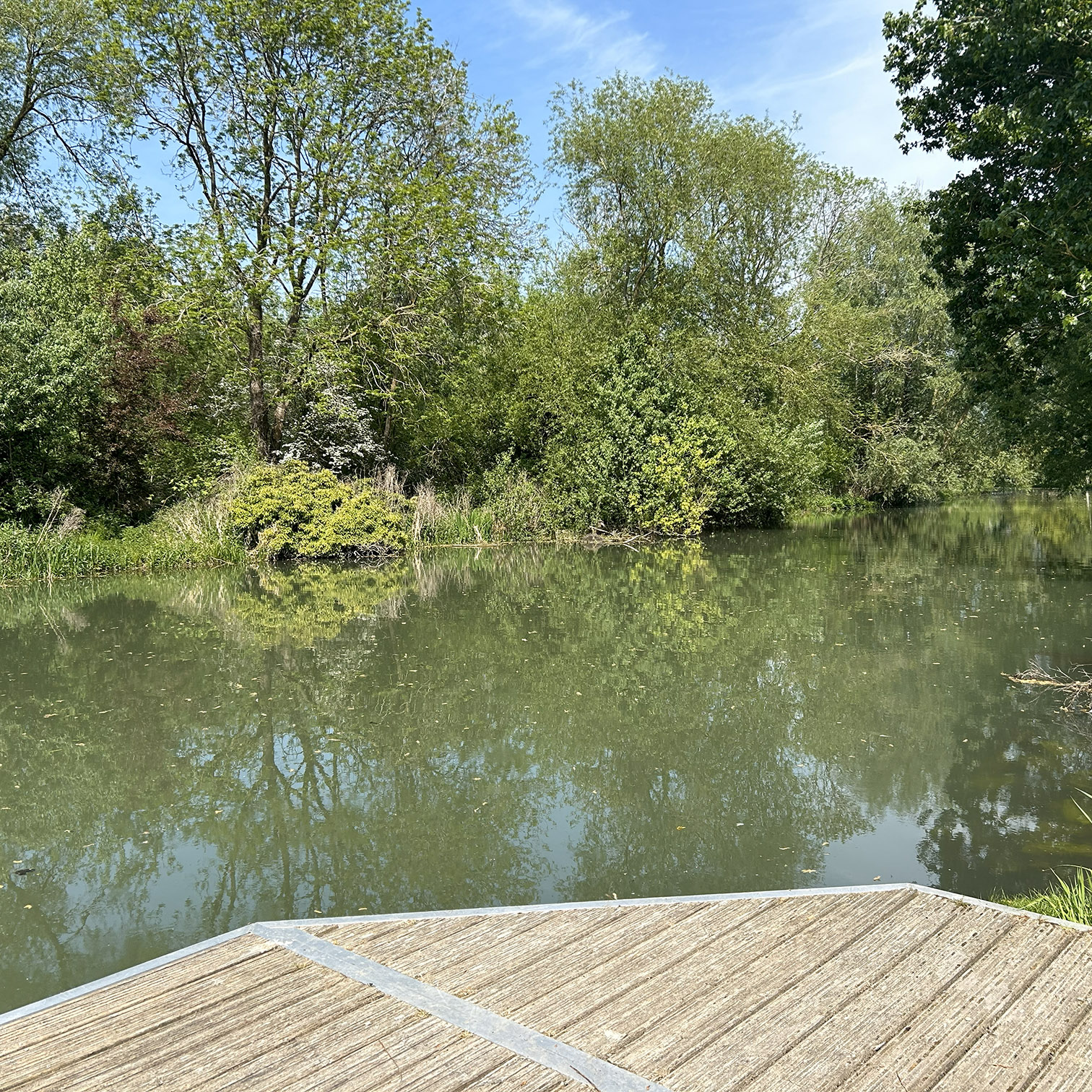
We are the only school within Cambridge that has direct access to the River Cam, providing our students with a unique opportunity to engage with the natural environment.
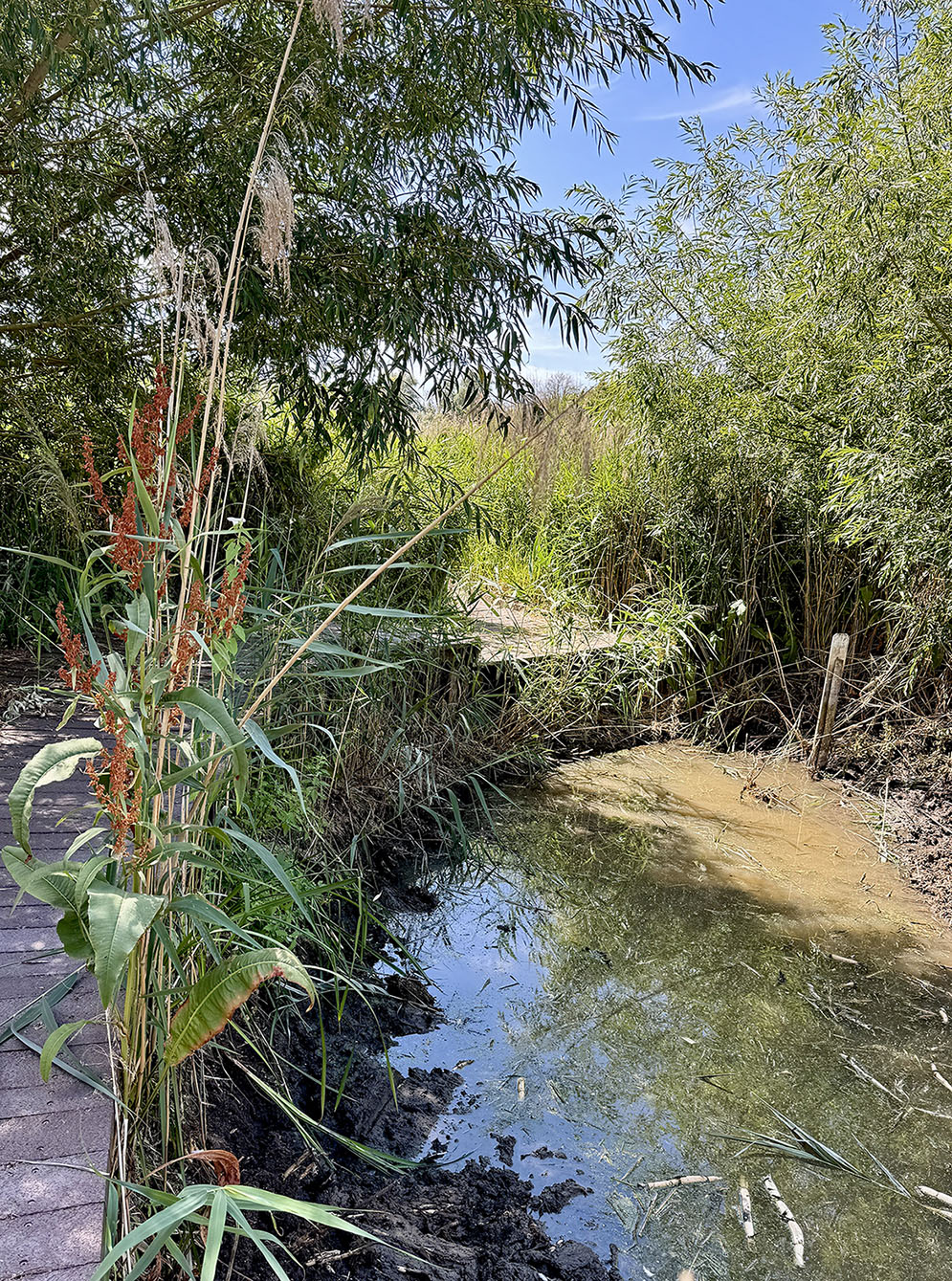
Bordering the river access is the Stephen Perse Cambridge nature reserve, which is a biodiversity hot spot that acts as a refuge for wildlife within Cambridge city. The Nature Reserve comprises wetland habitats, with the main areas being a reed bed and a flood meadow.
Reducing our impact
Over the last few years, we have made significant changes to our infrastructure and behavioral use of our buildings, resulting in a measurable decrease in our carbon output:
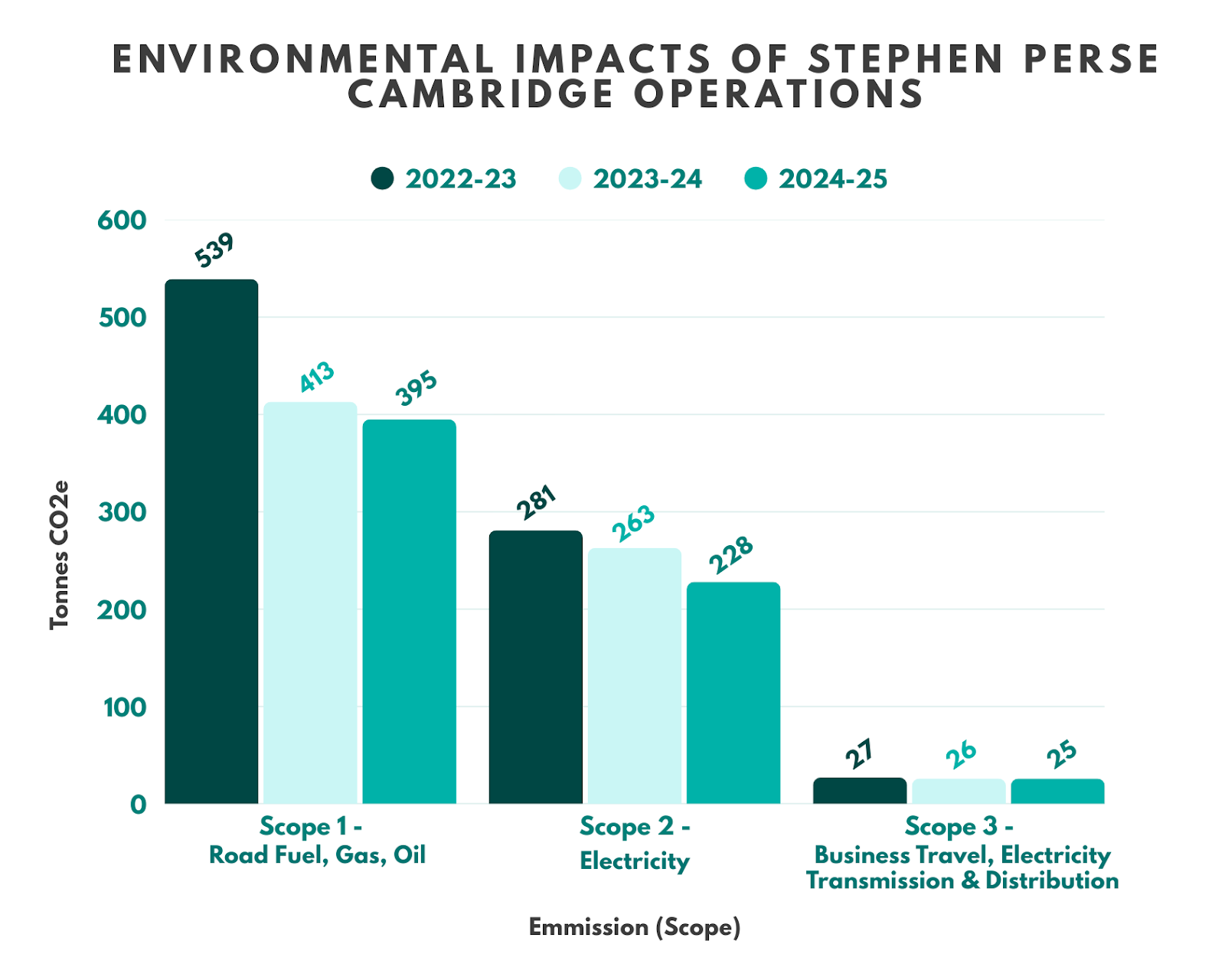
Since 2022-23, we have reduced our annual CO2e emissions from scope 1 and 2 sources by 24%, or 198 tonnes (annually). This has been mainly achieved through:
-
Removing aging oil boilers and replacing them with modern, efficient gas boilers.
-
Electrifying the provision of hot-water, through switching recirculated hot-water systems to electric point of use.
-
Optimising heating and electrical systems for increased levels of efficiency.
Recently, Cambridge Junior School pupils participated in the Count Your Carbon Eco-Schools initiative. With minor behavioural adaptations, the school showed a 9% reduction in electricity use compared to the same timeframe one year ago!