--col-off-white: #F7FDFC
--col-off-white
--col-headingtxt: #00312F
--col-headingtxt
--col-pri: #00B5AE
--col-pri
--col-sec: #80DAD7
--col-sec
--col-ter: #99E1DF
--col-ter
--col-tint--light: #99E1DF
--col-tint--light
--col-tint--normal: #80DAD7
--col-tint--normal
--col-tint--dark: #66D3CE
--col-tint--dark
--col-tint--darker: #4DCBC6
--col-tint--darker
--col-tint--darkest: #33C4BE
--col-tint--darkest
--col-shade--light: #00918B
--col-shade--light
--col-shade--normal: #007F7A
--col-shade--normal
--col-shade--dark: #006d68
--col-shade--dark
--col-shade--darker: #005b57
--col-shade--darker
--col-shade--darkest: #004846
--col-shade--darkest
Stephen Perse Cambridge
Our Alumni
Explore the stories of some of our most distinguished Guild members.
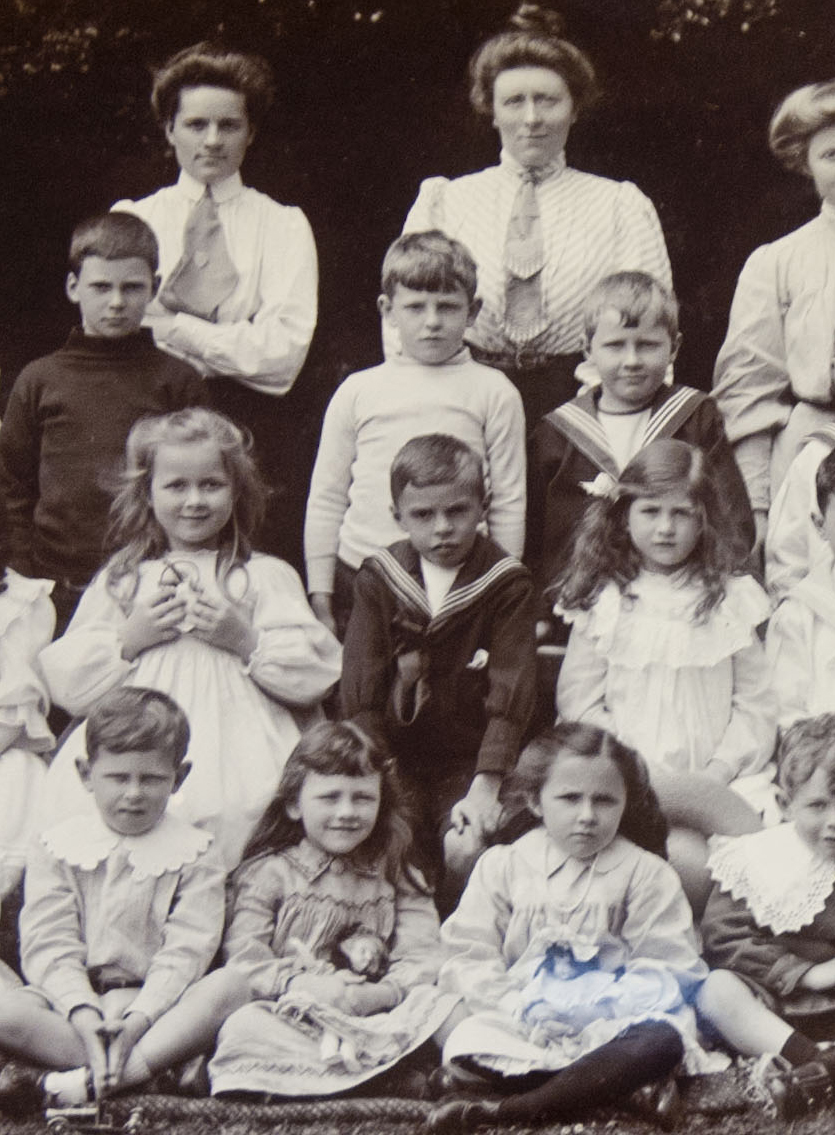
John Maynard Keynes
The father of macroeconomics
After attending Kindergarten with us, John Maynard Keynes became an English economist and philosopher whose ideas completely changed the theory and practice of macroeconomics and the economic policies of governments. He developed and refined earlier work on the causes of business cycles and was one of the most influential economists of the 20th century. Keynes’ work is the basis for the school of thought known as Keynesian economics and its derivatives, including New Keynesianism, which is fundamental to mainstream macroeconomics. He is known as the "father of macroeconomics".