--col-off-white: #F7FDFC
--col-off-white
--col-headingtxt: #00312F
--col-headingtxt
--col-pri: #00B5AE
--col-pri
--col-sec: #80DAD7
--col-sec
--col-ter: #99E1DF
--col-ter
--col-tint--light: #99E1DF
--col-tint--light
--col-tint--normal: #80DAD7
--col-tint--normal
--col-tint--dark: #66D3CE
--col-tint--dark
--col-tint--darker: #4DCBC6
--col-tint--darker
--col-tint--darkest: #33C4BE
--col-tint--darkest
--col-shade--light: #00918B
--col-shade--light
--col-shade--normal: #007F7A
--col-shade--normal
--col-shade--dark: #006d68
--col-shade--dark
--col-shade--darker: #005b57
--col-shade--darker
--col-shade--darkest: #004846
--col-shade--darkest
Stephen Perse Cambridge
Our Alumni
Explore the stories of some of our most distinguished Guild members.
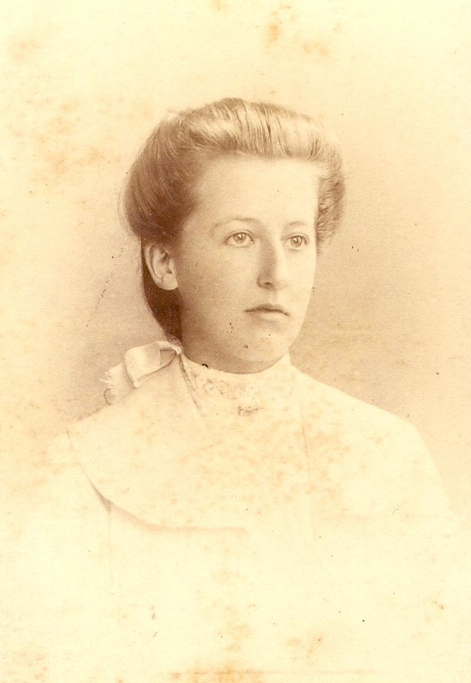
Dorothy Deighton
Codebreaker
Dorothy Deighton was a Women’s Auxiliary Army Corps (W.A.A.C.), Hush WAAC codebreaker. Dorothy’s mother noted on 2nd March 1917: ‘Dorothy went to France Asst Administrator W.A.A.C. Post in Intelligence Dept. of the Army’. She had been posted to St Omer in northern France as one of only seventeen Hush WAACs, women codebreakers in counterintelligence. Recruited for their German language skills, they were educated, middle or upper-class, their ages ranging from early 20s to mid 50s. Within the W.A.A.C., they were graded as Assistant Administrators, the equivalent of male junior officers. Because of the requirement never to discuss their work beyond the office, the small group became known as the Hush WAACS.